
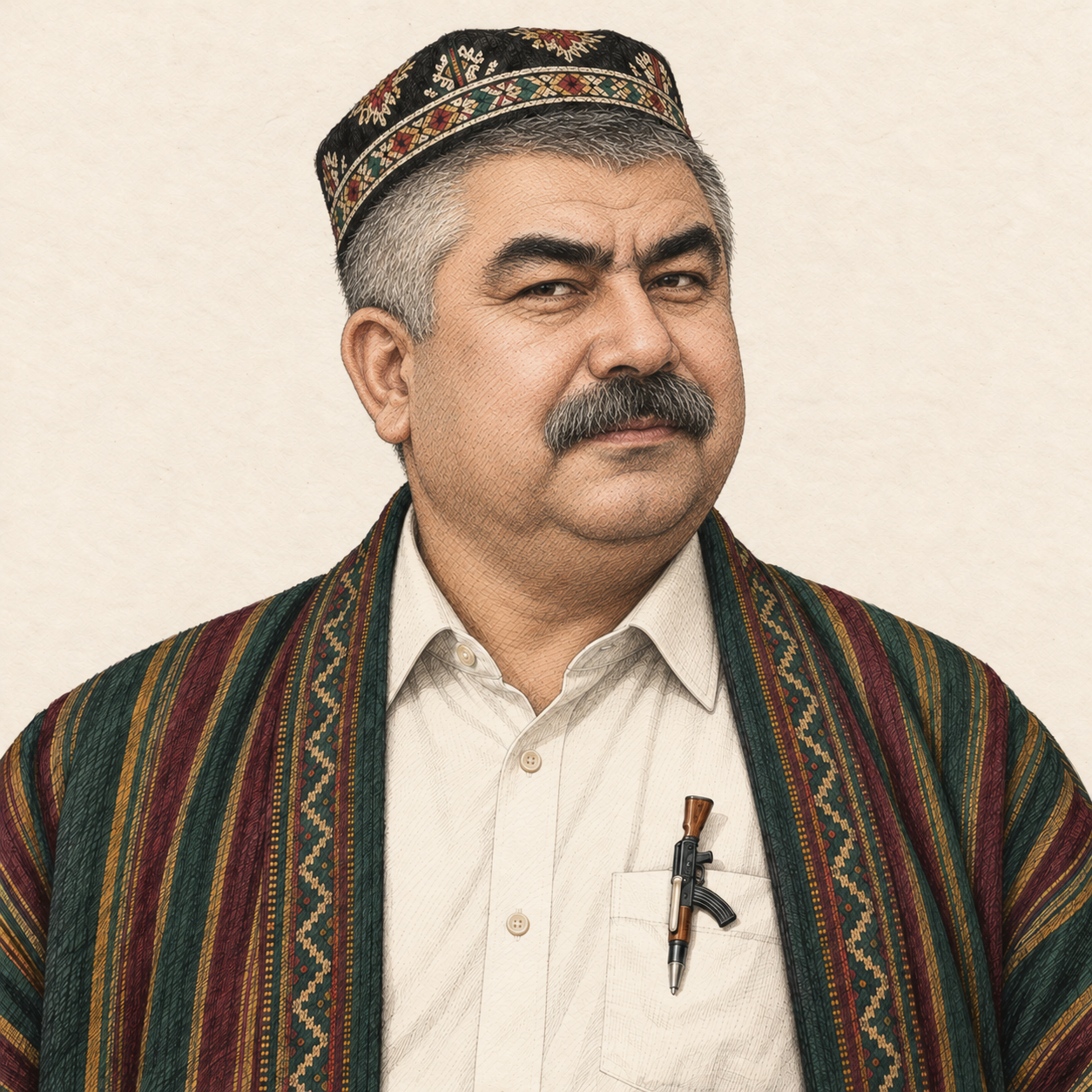
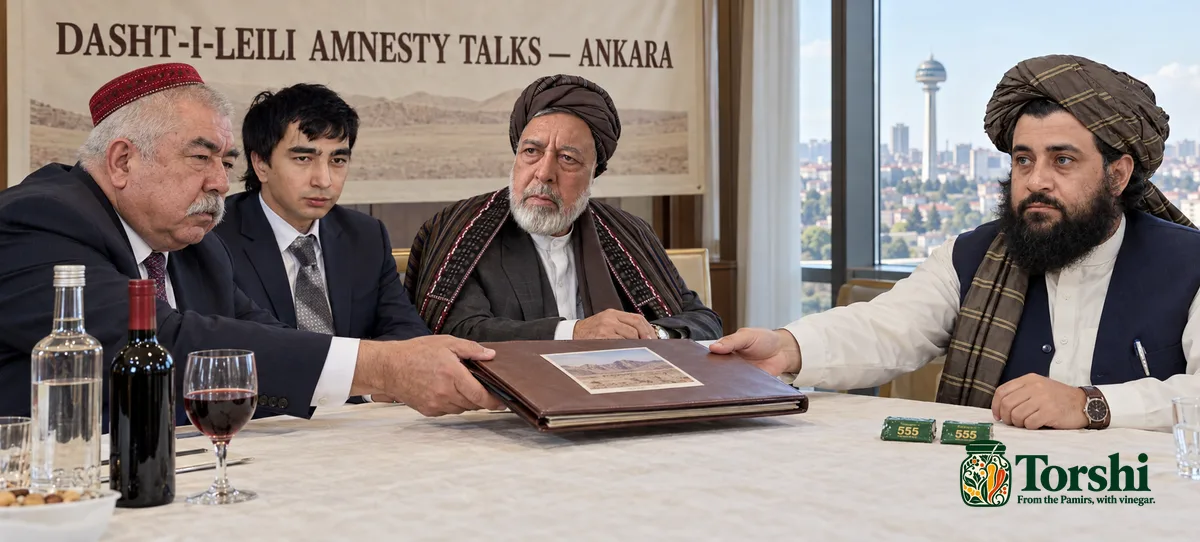
ANKARA—Abdul Rashid Dostum offered the Taliban the remains associated with Dasht-i-Leili as a down payment on amnesty and permission to return to Jawzjan.
“I am not asking anyone to forget history,” Dostum declared. “I am offering Kandahar the property rights.”
Mullah Yaqoob welcomed the proposal but demanded guarantees that the dead would not establish an opposition movement in exile. “We forgive the living,” he said. “The dead have a history of returning during negotiations.”
Dostum proposed a reconciliation commission, with himself representing survivors and the Taliban representing everyone except women who need mahram.
Negotiators divided Afghanistan's past fairly: Dostum retained his military titles, the Taliban inherited the graves, and victims received posthumous citizenship upon verification of political neutrality.
Pakistan offered to host the signing, citing decades of experience converting Afghan casualties into strategic assets and calling the paperwork peace.
The final dispute concerned whether Dostum would return as citizen, marshal or war criminal. Yaqoob suggested all three, noting that after forty years of Afghan warfare, the difference between a national hero & a mass murderer was which government printed the biography.
Negotiators declared the agreement historic. The dead would remain buried, commanders would return to power, and Afghans would celebrate another peace deal by preparing their children to fight the men their fathers had just forgiven.