THE TORSHI DOSSIERS · 01 / DOHA

Board of Directors

They planned their next role. History changed the cast.

Doha promised a new political chapter. Everyone had a role in mind; the ending had other plans. Meet the rivals, negotiators and broadcasters around the peace process—and the futures that never arrived.

The promises, the players, the aftermath. Open each dossier for background and sources.

10 of 10 profiles

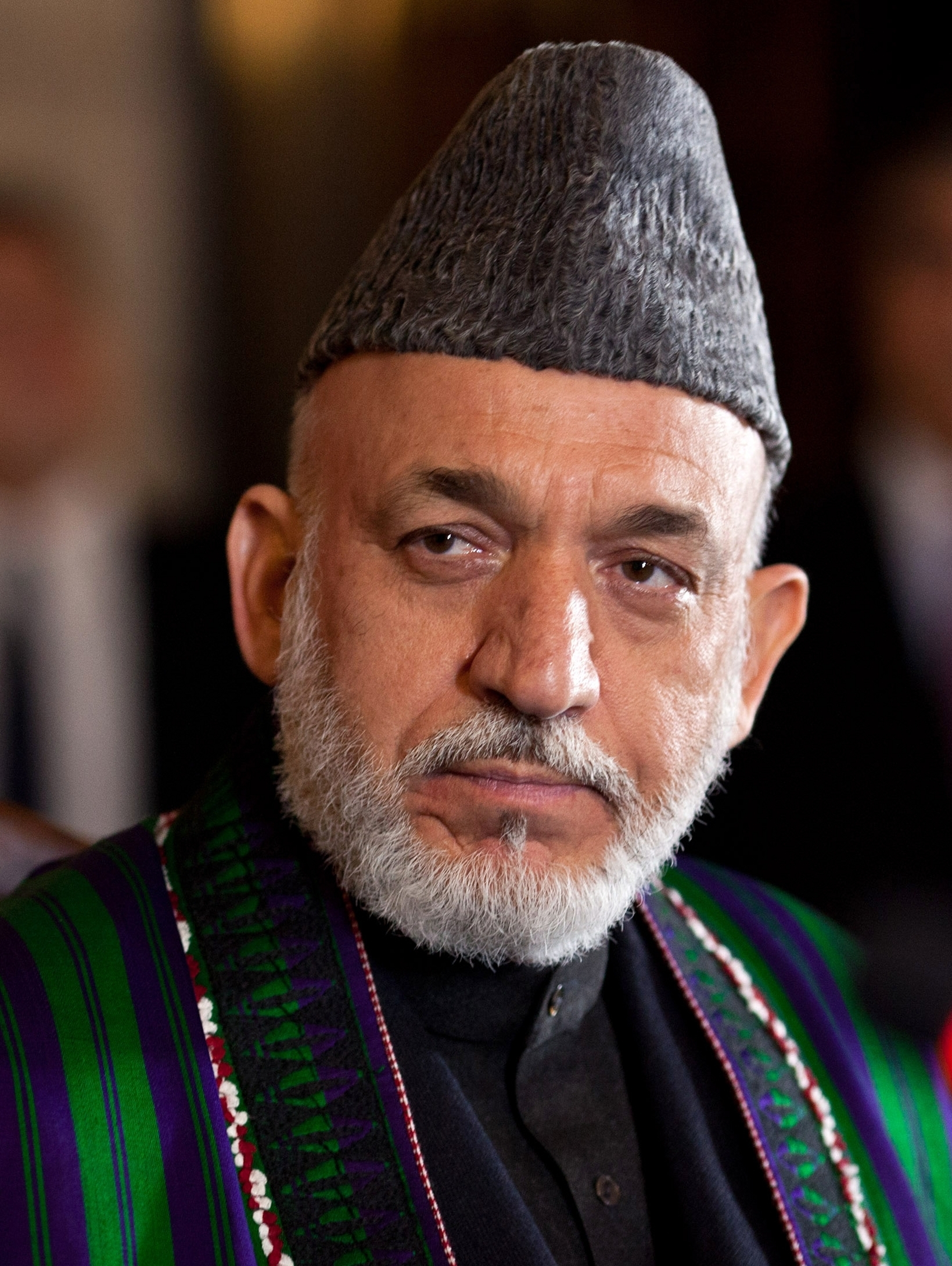
Hamid Karzai

Former president

Hamid Karzai

حامد کرزی

Ethnicity
Pashtun
Province / origin
Karz, Kandahar

He dreamt of becoming interim leader. Now he spends the interim reconsidering his friends, their recommendations, and why none of them mentioned the Taliban already had a leader.

Open the dossier

Brief biography

President of Afghanistan from 2001 to 2014. Born in Karz, near Kandahar; a Popalzai Pashtun.

Documented role in the peace process

Welcomed the impending US–Taliban agreement in an Associated Press interview on 28 February 2020, while criticizing the US military record. That support did not make him a signatory.

Sources

Image: Pete Souza · Public domain. Displayed without retouching; fitted to the card.

Link to this profile
Abdullah Abdullah

Former chief executive; reconciliation council chair

Abdullah Abdullah

عبدالله عبدالله

Ethnicity
Pashtun / Tajik parentage
Province / origin
Born in Kabul; paternal roots in Kandahar, maternal roots in Panjshir

Some men antagonize leaders for power. Abdullah loved the game itself. Give him a government and he would find the opposition—even if he was half the government.

Open the dossier

Brief biography

Former foreign minister and chief executive. Led the High Council for National Reconciliation during the 2020 intra-Afghan negotiations. His father was Pashtun and his mother Tajik.

Documented role in the peace process

Addressed the opening of intra-Afghan talks in Doha on 12 September 2020. These were separate from the February US–Taliban agreement.

Sources

Image: Halifax International Security Forum · CC BY-SA 2.0. Displayed without retouching; fitted to the card.

Link to this profile
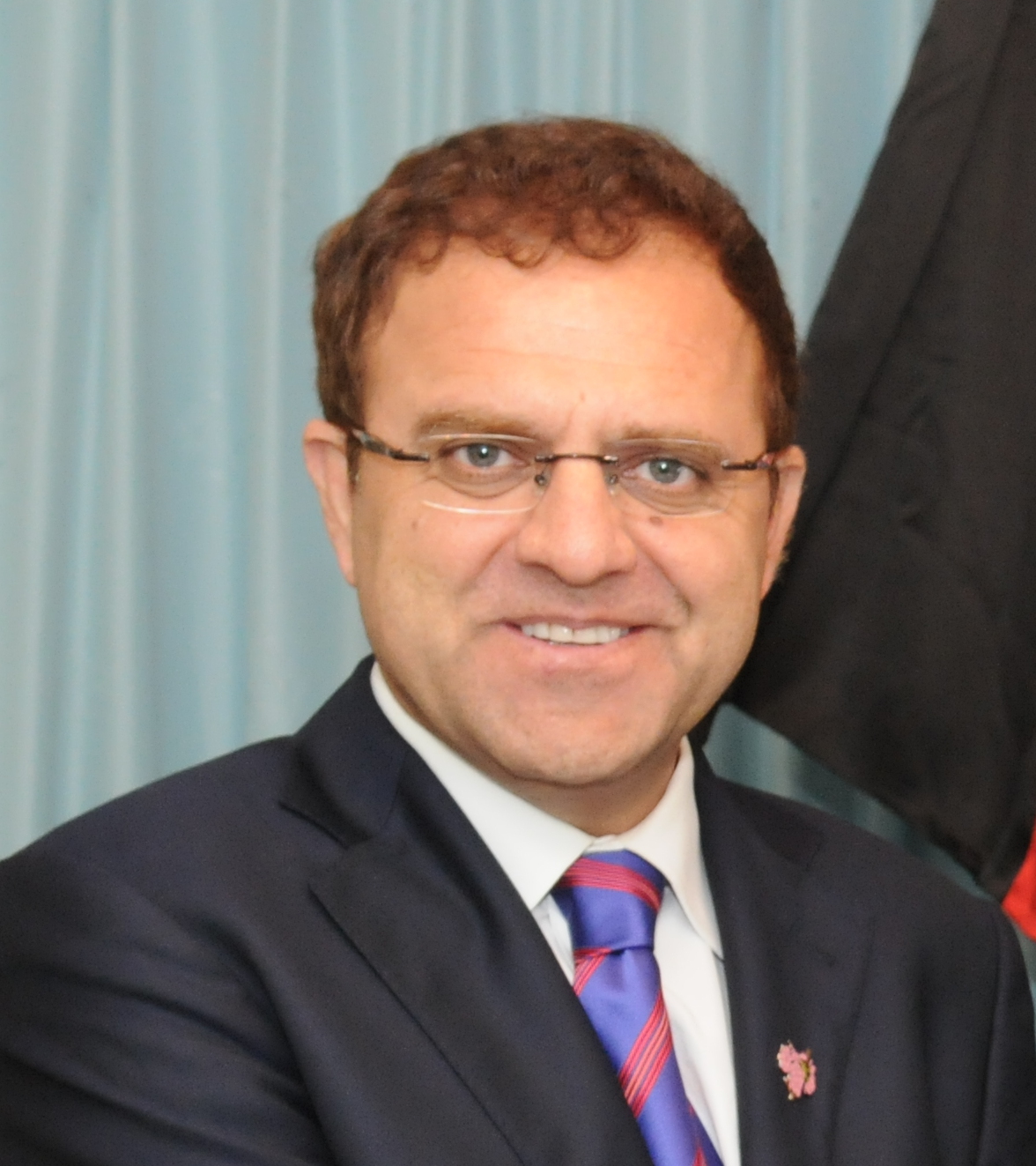
Omar Zakhilwal

Former finance minister and ambassador

Omar Zakhilwal

عمر زاخیلوال

Ethnicity
Shinwari Pashtun
Province / origin
Achin district, Nangarhar

In his imagined comeback, Pakistan installed its favorite regime and he arrived in a new suit. Unfortunately, the invitation was imaginary too. The tailoring remained his most concrete contribution to the transition.

Open the dossier

Brief biography

Economist, former finance minister and former Afghan ambassador to Pakistan. Born in Nangarhar; educated in Canada.

Documented role in the peace process

Discussed the aims of the July 2019 intra-Afghan Doha meeting with Pajhwok while travelling there. Participation is documented; a specific endorsement of the February 2020 agreement is not established here.

Sources

Image: Department of Foreign Affairs and Trade · CC BY 4.0. Displayed without retouching; fitted to the card.

Link to this profile
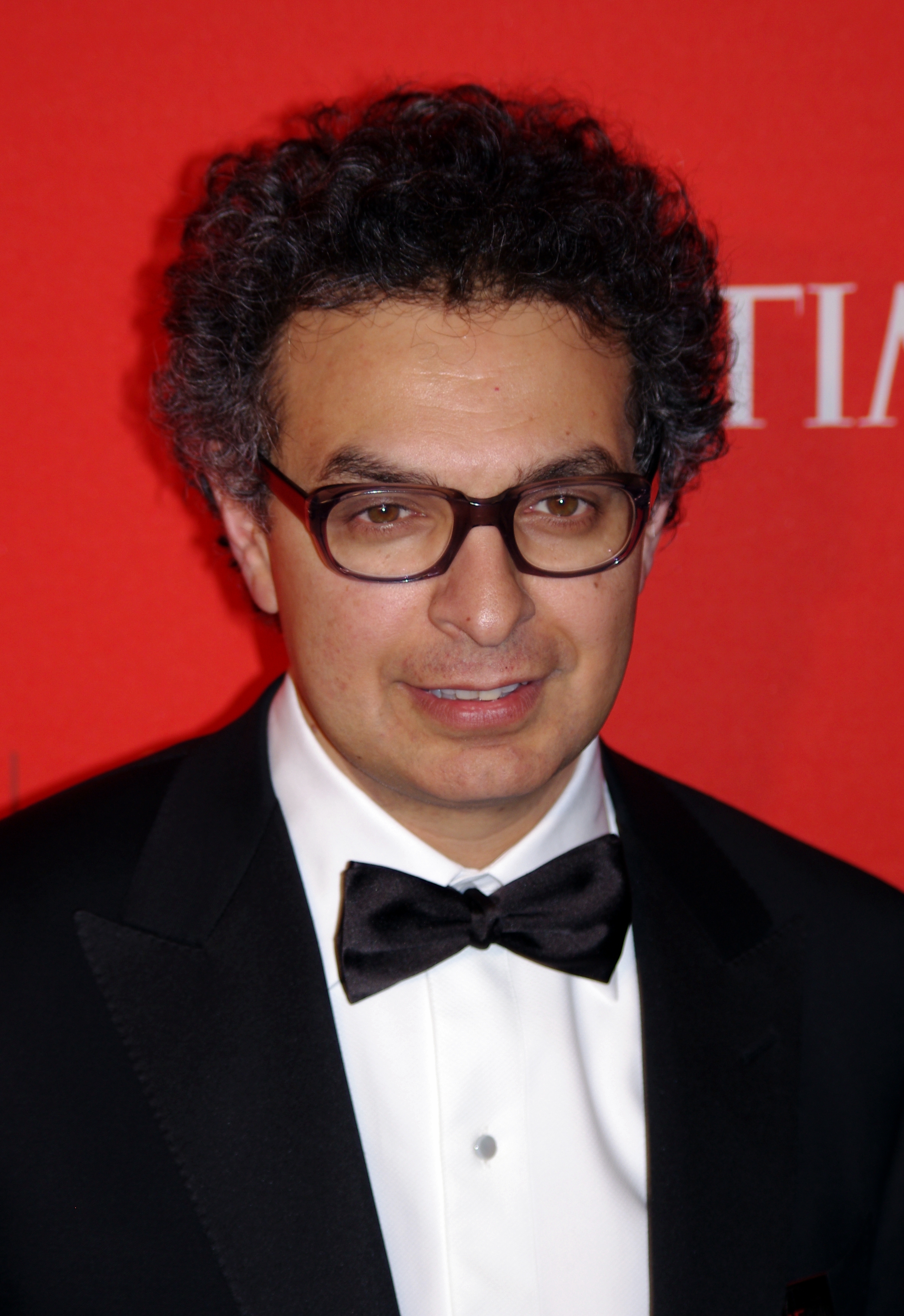
Saad Mohseni

MOBY Group co-founder

Saad Mohseni

سعد محسنی

Ethnicity
Qizilbash
Province / origin
Kandahar family origin (editor-provided); born in London, United Kingdom

His alliances could make a chameleon demand a written explanation. The next programming pivot practically names itself: Mullahs Gone Wild—where the playlist is Sharia-compliant and even the commercial break needs permission.

Open the dossier

Brief biography

Afghan-Australian media entrepreneur and co-founder of MOBY Group. Born in London to an Afghan diplomatic family and raised partly in Australia. Torshi's editor identifies his background as Shia Qizilbash, with family roots in Kandahar.

Documented role in the peace process

Discussed what went wrong in US–Afghan negotiations on PBS in September 2019. Commentary on negotiations is not evidence of endorsing the February 2020 agreement.

Sources

Image: David Shankbone · CC BY 3.0. Displayed without retouching; fitted to the card.

Link to this profile
TOLOnews

News organization

TOLOnews

طلوع‌نیوز

Ethnicity
Not applicable
Province / origin
Kabul headquarters

TOLOnews gave Washington a microphone and Kabul a daily performance review. After the republic fell, the microphone stayed. The questions needed Taliban approval.

Open the dossier

Brief biography

Afghan news channel established in 2010, broadcasting in Dari and Pashto and publishing online in English, Dari and Pashto. An organization, not a person.

Documented role in the peace process

Covered negotiations and interviewed participants. Reporting on talks does not itself establish an institutional endorsement of the deal.

Sources

Image: Zabihullah Asadi · CC BY-SA 4.0. Displayed without retouching; fitted to the card.

Link to this profile
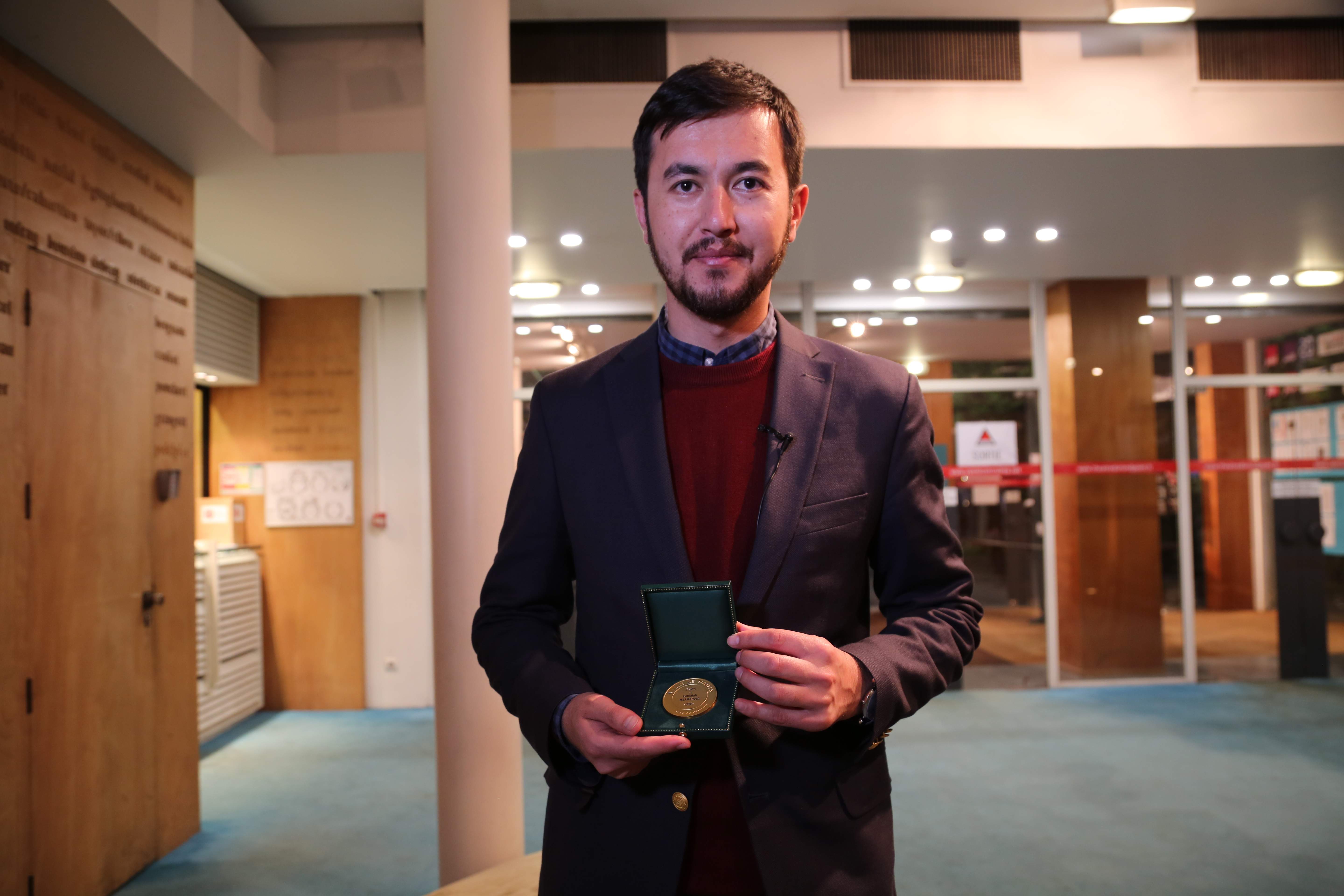
Lotfullah Najafizada

Journalist; former TOLOnews director

Lotfullah Najafizada

لطف‌الله نجفی‌زاده

Ethnicity
Hazara
Province / origin
Afghanistan; province not verified in the cited biography

In a Fox News Barbie casting call, he would arrive camera-ready and leave wondering how “access journalism” had failed the loyalty test. Apparently, the dream house required more than knowing everyone inside.

Open the dossier

Brief biography

Afghan journalist, former TOLOnews director and founder of Amu TV. Hosted the 2019 televised presidential debate and interviewed international leaders. Afghan Biographies lists his ethnic background as Hazara.

Documented role in the peace process

His journalistic role is documented. The sources reviewed here do not establish personal endorsement of Khalilzad's February 2020 agreement.

Sources

Image: VOA · Public domain. Displayed without retouching; fitted to the card.

Link to this profile
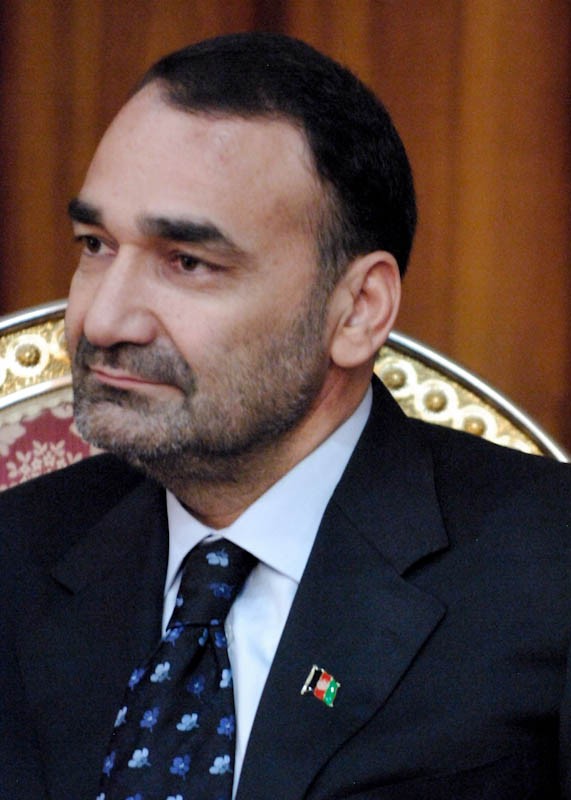
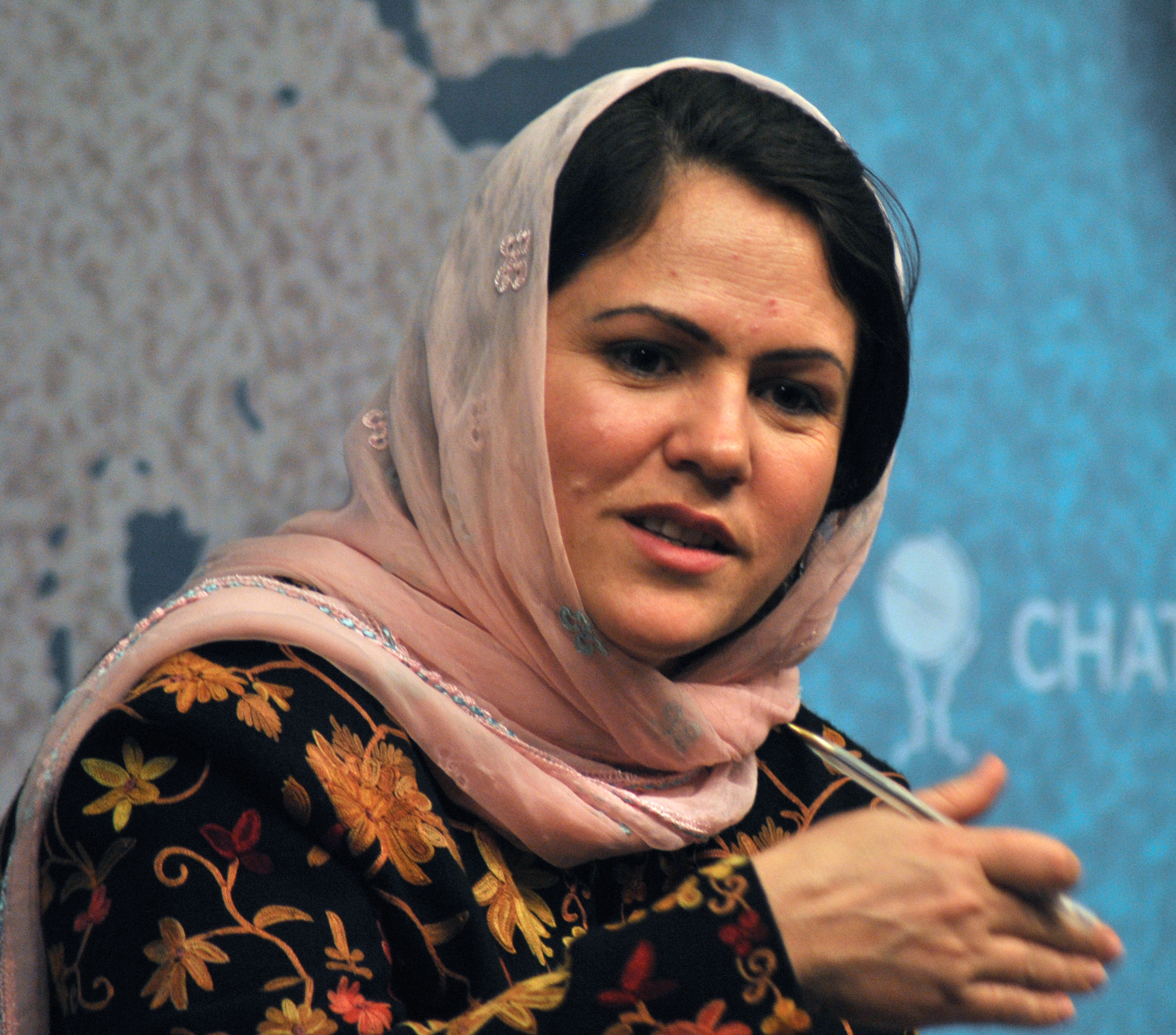
Fawzia Koofi

Former MP and peace negotiator

Fawzia Koofi

فوزیه کوفی

Ethnicity
Tajik
Province / origin
Badakhshan

After Moscow, Koofi reported a changed Taliban attitude toward women. Apparently the upgrade had passed its hotel-lobby demonstration. She later warned that the US deal encouraged Taliban hopes of military victory; by then, the peace process had already accepted the terms and conditions. Women got a seat at the talks. Back home, the furniture came with instructions not to leave the house.

Open the dossier

Brief biography

Former parliamentarian from Badakhshan and a member of the Afghan republic's negotiating delegation in Doha. Public biographies identify her as Tajik.

Documented role in the peace process

At a February 2019 AISS discussion after the Moscow talks, Koofi said the Taliban's view of women's activities had changed, subject to their interpretation of Sharia. She later participated in the 2020 intra-Afghan talks and warned in November that the US deal had encouraged Taliban expectations of military victory.

Sources

Image: Chatham House · CC BY 2.0. Displayed without retouching; fitted to the card.

Link to this profile
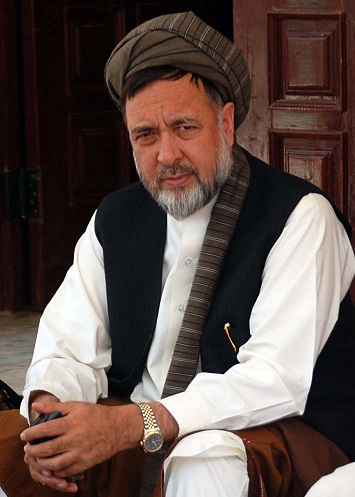
Atta Mohammad Noor

Former Balkh governor

Atta Mohammad Noor

عطا محمد نور

Ethnicity
Tajik
Province / origin
Mazar-i-Sharif, Balkh

Atta took his regional-boss credentials to the 2019 Moscow talks, where Ghani's government was absent and national unity was consequently much easier to discuss. Power-sharing sounds attractive when you picture keeping the power and sharing the photograph. The Taliban had misunderstood the seating plan: they wanted Balkh, not a coalition partner explaining whose Balkh it was.

Open the dossier

Brief biography

Former governor of Balkh and a Jamiat-e Islami political figure. Born and raised in Mazar-i-Sharif; identified in public biographies as Tajik. Also transliterated Atta Muhammad Nur.

Documented role in the peace process

Joined the February 2019 Moscow talks with Taliban representatives. That meeting is distinct from the February 2020 Doha signing; the cited report does not establish his endorsement of that agreement.

Sources

Image: Brian H. Neely, cropped by Officer · Public domain. Displayed without retouching; fitted to the card.

Link to this profile
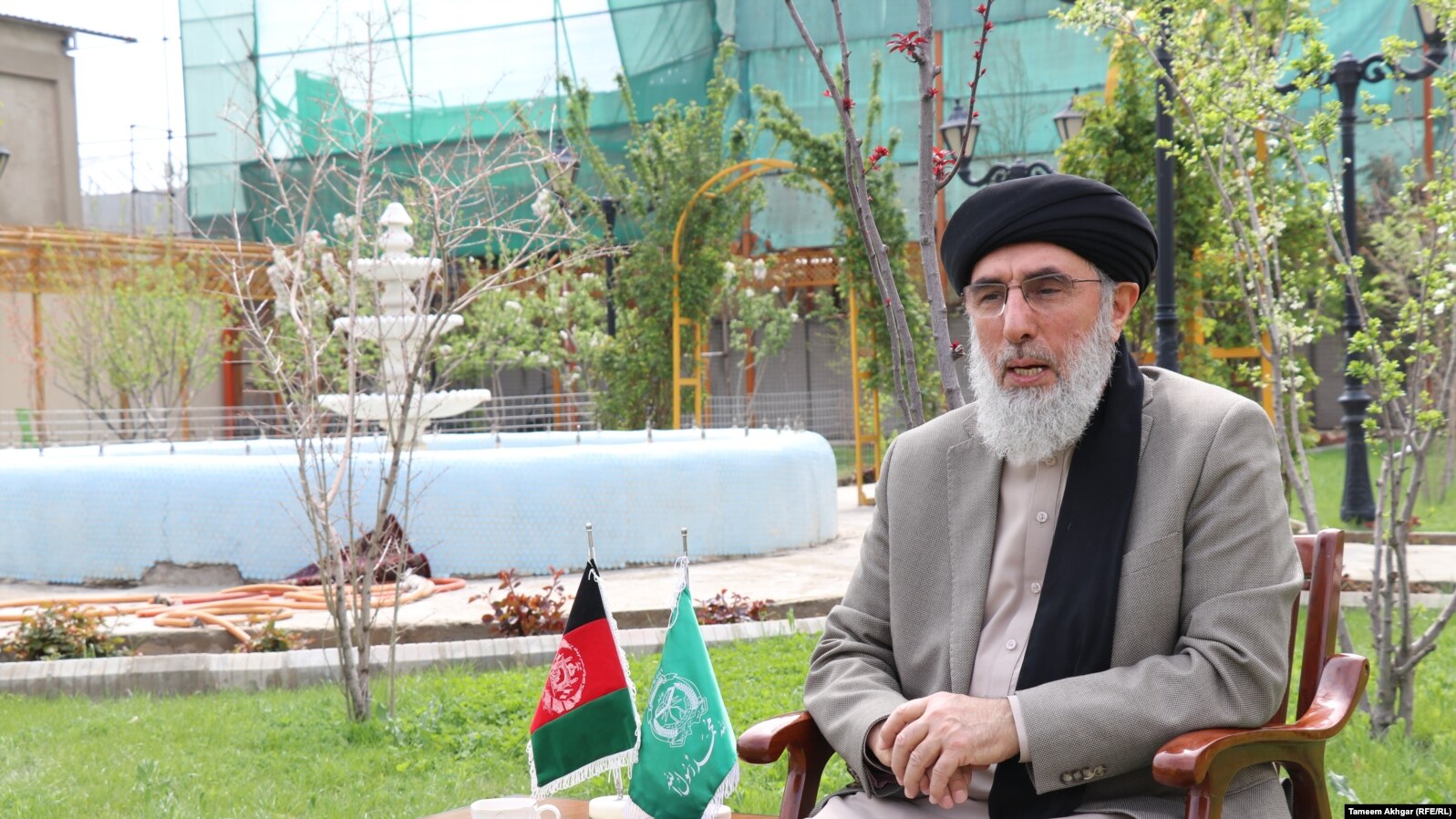
Mohammad Mohaqiq

Former deputy chief executive

Mohammad Mohaqiq

محمد محقق

Ethnicity
Hazara
Province / origin
Balkh

Mohaqiq arrived at the 2019 Moscow talks with the political class's favourite unit of national unity: his own share. A community's future could be represented by one chair, preferably his, while the country waited outside with the other communities. The Taliban eventually abolished the quota system. This was not the administrative reform the shareholders had requested.

Open the dossier

Brief biography

Former parliamentarian and deputy chief executive, and a leader of the People's Islamic Unity Party of Afghanistan. A Hazara political figure from Balkh; also transliterated Muhammad Muhaqiq.

Documented role in the peace process

Participated in the February 2019 Moscow meeting with Taliban representatives. This is evidence of participation in that meeting, not proof of endorsing the 2020 US–Taliban agreement.

Sources

Image: Felis Leo MHM · CC BY-SA 3.0. Displayed without retouching; fitted to the card.

Link to this profile
Gulbuddin Hekmatyar

Hezb-e Islami leader; former prime minister

Gulbuddin Hekmatyar

گلبدین حکمتیار

Ethnicity
Pashtun
Province / origin
Imam Sahib, Kunduz

Hekmatyar believes power should come from the ballot box, provided the box understands whom it works for. Ghani's government signed him back into politics; he later rejected Ghani's election victory. Democracy is sacred until it produces another man's name. Then Afghanistan urgently requires a different arrangement.

Open the dossier

Brief biography

Founder of Hezb-e Islami Gulbuddin and former prime minister. Born in Imam Sahib, Kunduz, into the Kharoti Pashtun tribe. Signed a separate agreement with the Afghan government in 2016.

Documented role in the peace process

Advocated negotiations in a February 2020 interview and discussed the peace process in Pakistan later that year. His 2016 agreement must not be confused with the 2020 US–Taliban deal.

Sources

Image: Tameem Akhgar / Radio Azadi · Public domain (Wikimedia Commons). Displayed without retouching; fitted to the card.

Link to this profile